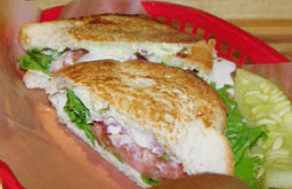
 Move beyond entree salads and heavy protein plates to satisfy your health-conscious diners
By Cristina Caro
The restaurant industry’s top five menu trends in 2015 according to the National Restaurant Association directly interplay with health and nutrition, and they’re likely to drive restaurant sales into the New Year. How does your menu rank? Do you identify healthful options? List serving sizes? Allow substitutions? Modify culinary preparation?
For many Americans, eating healthy i s not easy, particularly when dining out. Added fat and sodium and large portions make it difficult to manage cholesterol, diabetes, high blood pressure and weight gain. Diners looking for healthful options can’t always spot them on the menu.
Consider a businessman following a low-cholesterol diet:
Joe is meeting a business client for lunch. He arrives at the restaurant early to ask questions about the menu since the nutrition information isn’t available online. Joe is looking for items lower in calories and fat and higher in fiber. He asks about the servings sizes and preparation methods and learns that the steamed veggies are dressed with butter and seasoning and the grilled chicken is marinated in housemade sauce containing oil. He settles on the grilled salmon served with sautéed spinach and mashed potatoes. Joe asks the server if he can substitute a plain baked potato for the mashed potatoes. The answer is ‘yes, for a $3 upcharge’. When his plate arrives, he sees that the sautéed spinach is creamed and not as low in fat as he thought.
Everyone who walks in the restaurant is managing a food allergy, medical need or personal preference, and though we can’t be all things to all people, we can make it easier for diners to eat dairy-free, gluten-free, low-carb, low-fat, low-sodium, vegan or vegetarian to meet their lifestyles. Variety of and easily identifiable healthful options can create loyal dining guests who then bring their own clients and friends and event-catering opportunities.
 So let’s showcase the healthful and modifiable menu options, including description of serving sizes and culinary preparation – all the while emphasizing flavor – because taste still matters. We must move beyond entrée salads and heavy protein plates to satisfy the growing number of health-conscious diners and cash-in on the top food trends.
Menu Review
Identify your healthful ingredients or dishes. A registered dietitian nutritionist (RDN) can help you do this.
Do you…
• Incorporate vegetables, legumes and grains as primary ingredients whenever possible? (Especially main course soups)
• Use low-fat low-salt flavorings? (Such as fresh herbs and spices, lemon or flavored vinegars)
• Use vegetable oil instead of butter when possible for more dairy-free options?
• Have accurate food descriptions revealing dairy, eggs, nuts or other common allergens?
• Grill, roast or smoke meats and vegetables?
• Use minimal amounts of added sugar?
Can you…
• Increase the amount and variety of vegetables offered to provide fiber and different phytochemicals and nutrient mix?
• Feature seasonal vegetables, steamed, roasted or grilled to maximize nutrients for calories?
• Have fruits available as a dessert option?
• Offer small plates (reduced portions) to help diners regulate appetite, blood sugar and body weight?
• Substitute hummus, mashed avocado or mustard for mayonnaise on sandwiches for more egg-free and heart-healthy options?
• Offer gluten-free grains such as quinoa and rice?
• Provide plain, un-sauced steaks, fish filets, grilled meats and vegetables that are cooked whole to help accommodate food allergies and restricted diets?
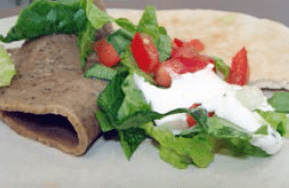 Menu Promotion
We continue to see food trends that follow healthful menus – ancient grains, ethnic cuisines and flavors, housemade infused oils and vinegars, locally grown or sourced produce, meatless dishes, minimally processed and seasonal items. Help yourself and your dining guests by highlighting any menu items that satisfy these trends. Have monthly features associated with events, growing seasons or observances.
• Low-fat or low-sodium entrée (or side) for Heart Health month
• New entrée salad or soup for National Nutrition month
• Children’s menu item for Family Meals month
• Pumpkin or sweet potato dish for fall harvest
• Small plate (reduce portion) for New Years’s resolutions
These seasons can tie in with your existing promotions around school, sports, holidays, celebrations and dining themes. Diners will recognize and appreciate your participation in current events and promoting healthful menu items. And they will return soon to see what you’re doing next. A small investment in a menu makeover can yield big returns in popularity, loyalty and increased sales.



